
Every visit to Devdari is also a visit to Chandraprabha Wildlife Sanctuary. Founded in 1957 in the hills of southern Chandauli, it is one of the oldest protected areas in Uttar Pradesh and has a surprising place in the story of India's Asiatic lions.
Key facts
| Established | May 1957 |
|---|---|
| Area | 78 km² (Chandauli Tourism; Wikipedia). The U.P. Eco Tourism Society cites 9,600 hectares earmarked in 1957. |
| Administration | Kashi Wildlife Division, Uttar Pradesh Forest Department |
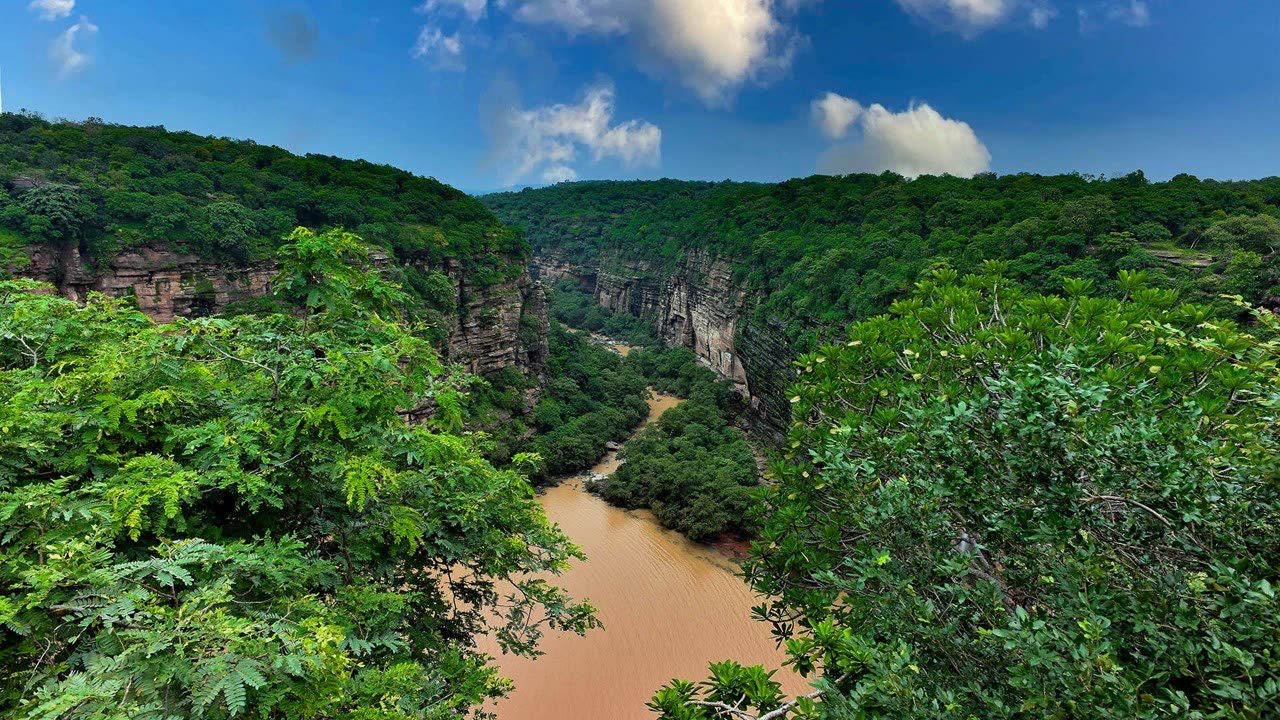
| Landscape | Naugarh and Vijaygarh hillocks on the northern slope of the Kaimur range (Vindhya) |
| Rivers | Karmanasa and its tributary the Chandraprabha |
| Forest type | Dry deciduous forest, scrub, savanna grassland and riverine woodland |
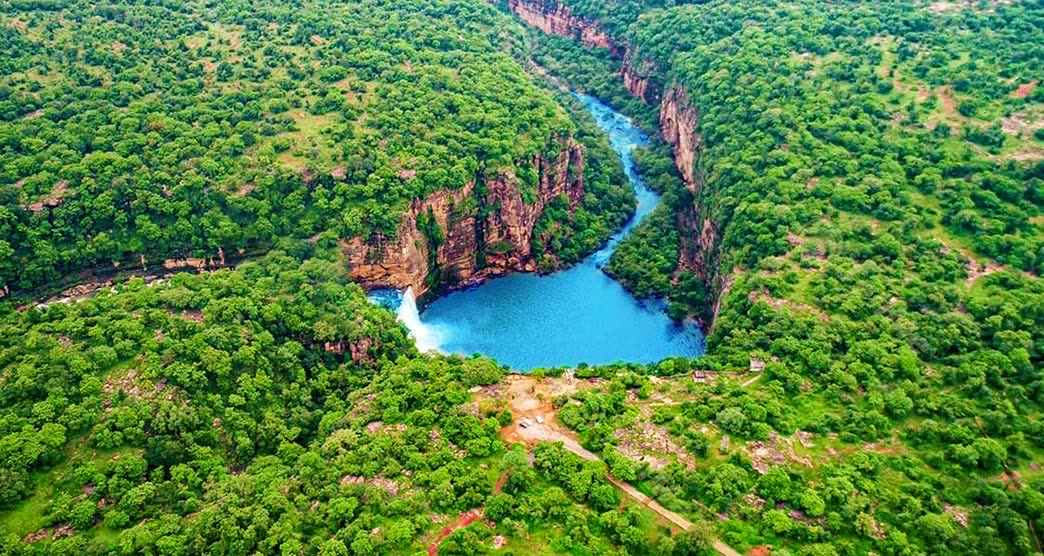
| Waterfalls | Devdari, Rajdari and Chandraprabha falls |
| Listed hours | 06:00–17:00 (Incredible India; provisional) |
History and the lions
The forest was developed as a hunting ground for the rulers of Benares in the late 18th century. It became a wildlife sanctuary in May 1957. Soon afterwards, a male lion named Raja and two lionesses, Rani and Jayshree, were brought from Gir in Gujarat in one of India's first attempts to establish a second population of Asiatic lions. According to published accounts, the lions increased to eleven by 1969, but by about 1970 they had disappeared. The failure is generally linked to heavy pressure on the habitat from the surrounding population.
Wildlife
- Mammals: leopard, sloth bear, chital, sambar, nilgai, chinkara, blackbuck, wild boar, striped hyena, golden jackal, fox and porcupine.
- Birds: about 150 species, including peafowl, red junglefowl, partridge, quail, eagles, vultures, mynas, parakeets, cuckoos, barn owls and bulbuls. Vultures nest in cavities in the cliffs of Devdari Waterfall.
- Reptiles: python, cobra, krait, water snakes, monitor lizards; gharial are recorded in the rivers.
Plants
Common trees include tendu, mahua, palash, sal, neem, semal, amla, teak, amaltas, koraiya and ber. The forest is also known for medicinal plants used in Ayurveda, including safed musli, shatavari, ashwagandha, chirata and sarpagandha.
Caves and rock art
The Chandauli tourism portal describes many caves in the hills of the sanctuary near Naugarh and Vijaygarh, some once used by early humans and still bearing primitive paintings. Their exact locations are not publicised; do not enter caves or forest areas without permission and a local guide.
Visiting
- Most visitors see the sanctuary through the Rajdari–Devdari waterfall area.
- Forest rest houses: Rajdari (inside), Dilkusha (Chakia), Lateef Shah, Chandrakanta (Naugarh) and Bhesoda, booked via the forest department. See Where to Stay.
- Follow all sanctuary rules: stay on paths, no feeding animals, no litter, no loud music. See Sanctuary rules.